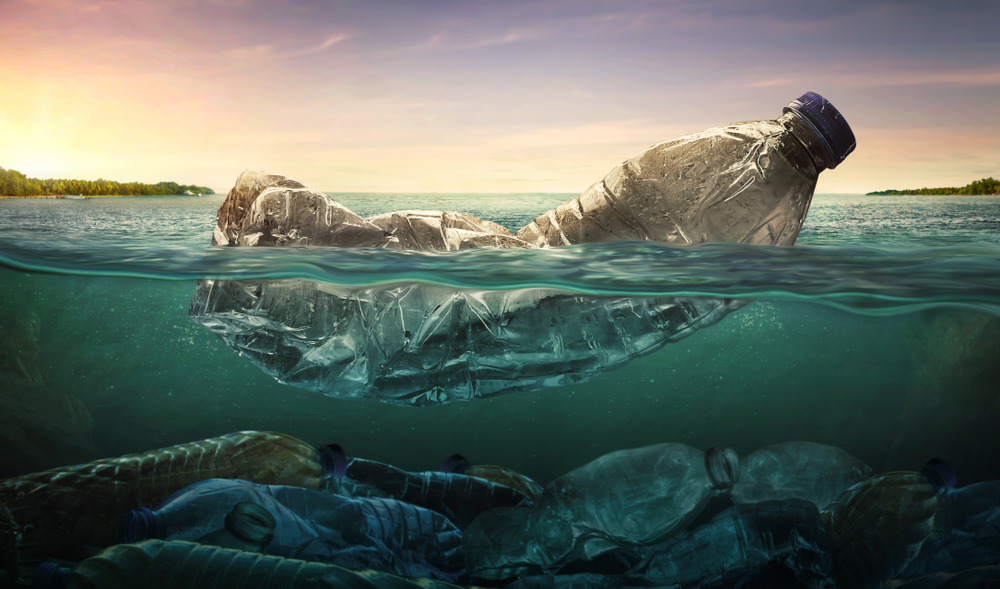
Today we are at a crossroads. This has been said many times before and many times we have taken the wrong path. We have done untold damage to our land, to our environment, and to our entire planet. While people are great at saying they want to do things for the environment when it comes to taking positive action, we are more than a little slow. We will only get so many chances to preserve the world we live in and it appears that we have now reached the final crossroads for our oceans. We can either choose to make the right steps and plans now or we can see our oceans continue to decline.
This is good news. It means that we still have a chance to save our oceans. For many years we have seen headlines talking about the disastrous pollution taking place, the islands of garbage floating through our oceans, the deadly plastics that are killing ocean life. For many years all hope appeared to be lost. A new study has shown that hope remains.
The study was published in the widely supported journal Nature. It suggests that if we put in more positive action now we can return the oceans to their ideal condition by the year 2050. This is incredible. The damage that we are doing to our oceans can be turned around.
The study looked at existing practices taking place around the world at present. It involved a huge collaboration among international scientists to find what works and what doesn’t. It discovered that the ocean is resilient and so is the life that dwells there. If we can just provide the opportunities required the ocean will recover to its former health.
Large scale changes are required and it will not come cheap. The study estimates that it could cost around $20 billion to return the oceans to their former glory. Even that will likely only cater to 50% of oceans but it is a great start. While $20 billion is a lot of money let’s not forget that annual worldwide spending on the military is $1.6 trillion. If we just cut back a little bit on this pointless spending we could save our oceans.
The study put forward a potential plan for international countries to take on. It laid out a number of key plans under a variety of categories. There were many small changes that could be easily achieved such as planting mangroves to help promote ocean life and biodiversity but larger changes like battling climate change and the large fishing industry.
The study proves that there is hope in our oceans. It points to numerous examples of success such as the humpback whales who were on the brink of extinction but are now numbering nearly 50,000.
The key message that comes from the study is one of hope but also one of urgency. It is a positive message saying that we can save our oceans but it is a message that must be adhered to soon or the opportunity will pass us by. The oceans are key to sustaining our economic and environmental climate. If we want the Earth to survive for many future generations then we have to act now and change our behavior. While it is easy to read this article and cross our fingers and hope that this happens, more is required. If you talk to your local government representative today and show that this is something you care about, something might be done. If everyone does this, something will be done. Start the conversation on how to save the oceans with your loved one’s today.