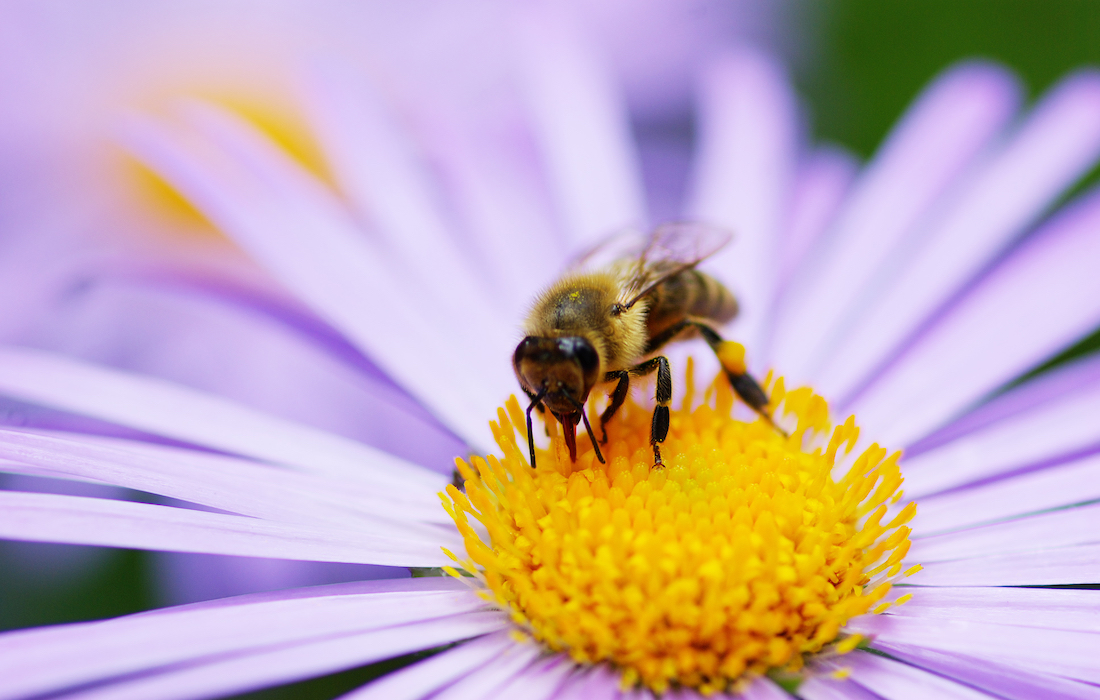
Bees may not be one of the most popular insects, but we all know that they have a great contribution in the betterment of our environment. Bees pollinate plants and without them, we wouldn’t have flowers or many of the foods we are consuming today. There are several studies that show that bees are responsible for approximately one out of every three bites of food on our plates at every meal. Meanwhile, you may get surprised to know that bee populations are facing a myriad of threats. So how can we save the bees?
Bee populations are on the decline since 1940. Honeybee colonies have come to 2.5 million from 5 million. Ecologists have been researching to know why bee populations are dying. May be parasites and bacteria are the main reason for habitat loss. The more they search for answers, the more time is lost and the bee population continues to die.
But there is good news! There are a lot of things that you can do to save the bee population on the planet and you don’t have to be a beekeeper to do it. Just make a commitment to help the world and save the bee population by trying one of these bee-friendly ideas:

Plant a tree
You can just start by planting a tree, a flower, or a garden with vegetables. Set up a window box or planter in backyard of your house or at your community park by taking permission. The more plants and vegetable gardens, the more bee-friendly food and this will result in a stable habitat for them. Pollinating plants is the best, but trees and shrubs are also great. Explore the internet to check some best plants to grow to help protect pollinators.
Give-up chemicals
There is a possibility that our addiction to pesticides is causing the world’s bee populations to diminish. You can reduce the amounts of chemicals that enter the environment by doing just two things – Make sure you purchase organic products whenever possible and cut down your own backyard use of herbicides, pesticides, and insecticides, especially when plants are in bloom and bees are foraging.
Make a bee box
There are different types of bees that need different types of habitats to live and survive. Some bees nest in wood or mud, while other bees make their homes on the ground only. You can explore the internet to learn more about how to build a simple bee box for the pollinators in your neighborhood.
Buy local honey
Make sure you support local beekeepers by purchasing honey directly from them.
Protect bees near you
Participate in your local communities and share your knowledge on the importance of protecting the bee population.
We hope this piece of information and advice was helpful.