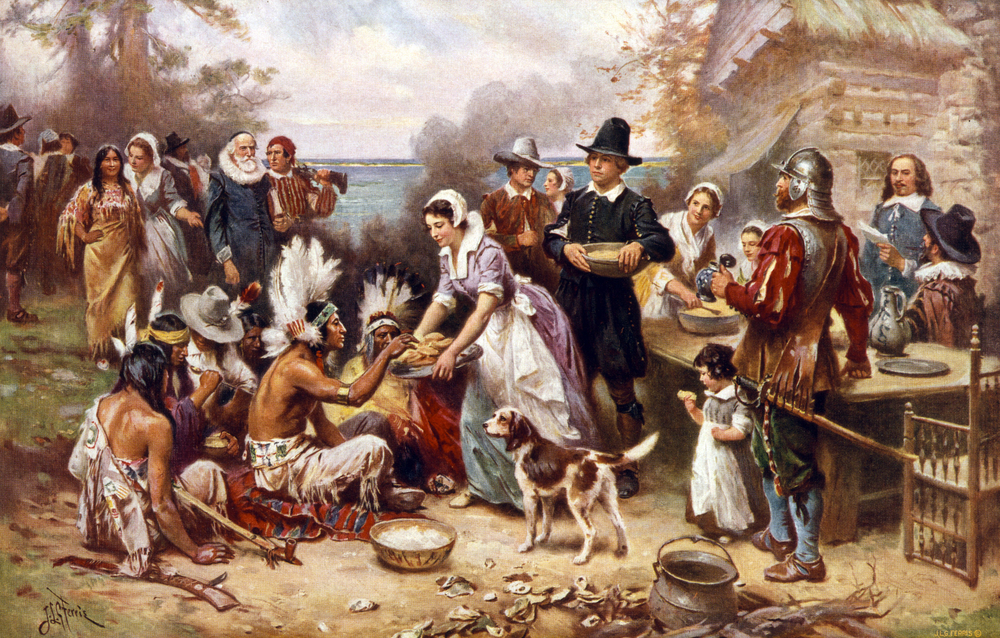
It’s saddening to know that most native Americans suffer from alcoholism at much higher rates than any other ethnic group. While many causes are likely to contribute to this issue, some of the most common causes include genetic predisposition and lack of prior exposure to alcohol. Well, before Europeans started to colonize the Americans, native Americans were having a good time putting on a nice, polite buzz.
The myth that Europeans introduced Americans to alcohol
Humans have been taking alcohol since the dawn of civilization. Archeologists have also found evidence that beer brewing was an important aspect of feasting and society in the
Epipaleolithic era, 12,000-9,500 BC. As the Natufians had access to stone and basic technology, it clearly shows that a simple brew wasn’t a big task.
This was certainly the case in North America, where most Americans have been making alcohol drinks using various simple tools and methods long before contact with Europeans.
In Mexico, people believe native Americans used a corn precursor to make alcoholic drinks; they say: teosinte, the ancestral grass of modern maize, was perfect for making beer – but was not as perfect for making corn flour. It’s said that native Mexican Americans have prepared over 42 different alcoholic beverages from a variety of plant substances, such as wild plum, honey, pineapple, and palm sap.
In the southwestern region of the United States, the Papago, Maricopa, and Apache used the saguaro cactus to create a wine, sometimes known as “haren a pitahaya.” Similarly, the Apache also fermented corn to make a tisiwn and the yucca plant to make other alcoholic drinks.
The Coahuitecan in Texas region used to combine Agave plant with the mountain laurel to produce an alcoholic drink, and the Zunis and Pueblos were said to have made fermented drinks from corn, maguey, prickly pear, alow, grapes and pitahaya.
In the eastern parts of the United States, Cherokee of the Carolinas and the Creek of Georgia were using berries and other fruits to create alcoholic drinks.
In the Northeast regions, “there is evidence that supports that the Hurrons used corn to make mild beer. Even though Alaskans had little to no agriculture, both the Yuits and Aleuts of Alaska were believed to have created alcoholic drinks from berries.
But it should be noted that mostly beverages created by native Americans were relatively weak. It is said the wine, and other drinks had around 8-14% Alcohol by volume. On the other hand, Whiskey, made by Europeans, had 60% alcohol by volume, and grain alcohol had nearly 95% alcohol by volume.
Coming back to the question of whether Europeans introduced alcoholism to native Americans? Well, it’s wrong. Americans were making beers long before Europeans arrived. But Europeans introduced Americans too much stronger drinks.
Alcohol and American today
Alcoholism is a disease that affects many Americans. The NIAAA says that over 12% of native Americans are heavy drinkers, and CDC notes that Americans do the highest number of binge drinking.
These alcohol diseases have devastated many American families and communities. Alcohol has been found to be the major reason for car crashes.
Alcohol is the reason behind many suicides and homicides, as well as assaults and injuries from alcohol-fueled violence. Sadly, chronic liver disease and cirrhosis is the fifth leading death cause among native Americans.