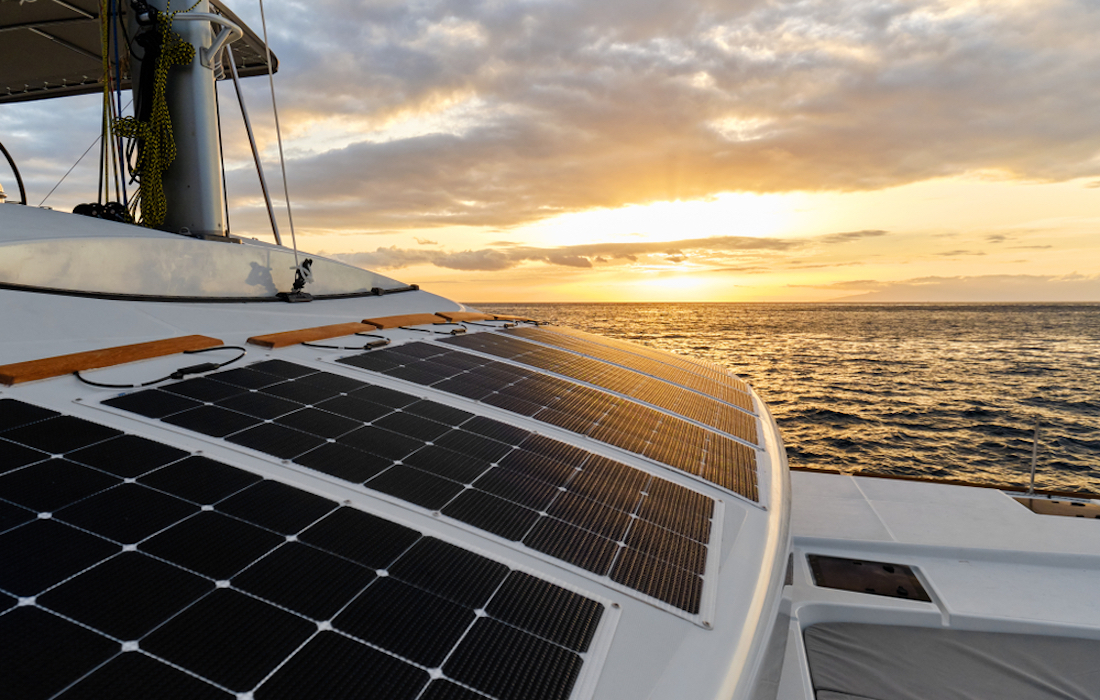
No one can deny this – a more sustainable future will be a battery-powered one. Renewables are as reliable as the weather, without batteries to store energy. To build the batteries, we will need to slow down the climate crisis that comes with its own costs. Wil S. Hylton, an American Journalist and a contributing writer for The New York Times Magazine, writes in The Atlantic that the world is self-assured to start mining the ocean’s deepest depths before we have even had a chance to know what might be lost.
Here’s the thing that you need to understand: to make the batteries that power our EV’s or electric vehicles, laptops, and smartphones, we require cobalt and other metals. Five of the world’s tech giant, Google, Apple, Dell, Microsoft, and Tesla are accused in a suit filed this month alleging that the giants are responsible for the deaths of children working as labor in cobalt mining industries in the Democratic Republic of Congo. Most of the metal is currently found in Congo.
These giants, along with environmental and human rights activists, are gravely looking for alternatives. A new alternative is emerging now! The deepwater plains are rich in metals such as cobalt, copper, manganese, and nickel and could be used to power the next device on your Wishlist. Wil S. Hylton says why the United Nations is preparing to deploy the largest mining operation in the world’s history and what could happen after the long-awaited Mining Code for international waters is finally approved in 2020. One thing for sure is that a new undersea mining industry might help us in moving towards a greener future on land, but at what cost in the ocean?

What Wil S. Hylton writes?
The harmful impacts of burning fossil fuels and land-based mining are beyond debate. But the cost of looting the ocean is something impossible to know. What kind of creatures are yet to be found on the deepwater plains? How many essential cures? Is there any way to calculate the landscape value we, virtually, don’t know anything about? Of course, the world is full of uncertain choices, but the disparity between options is seldom so stark – the climatic change crisis and poor labor on the one hand, incalculable risk and potential on the other.
Wil S. Hylton, so gruesomely describes that people seem to be paying more attention to the crap we put into the ocean lately, alarmed by details of whales and coral glut on plastic “like Twinkies”. But we Have not spent as much time giving thought to the question of what we are willing to excavate up from its depths. There are no easy and satisfying answers when it comes to how to measure the risks and rewards of a rising industry, but Wil S. Hylton’s story is a good start.