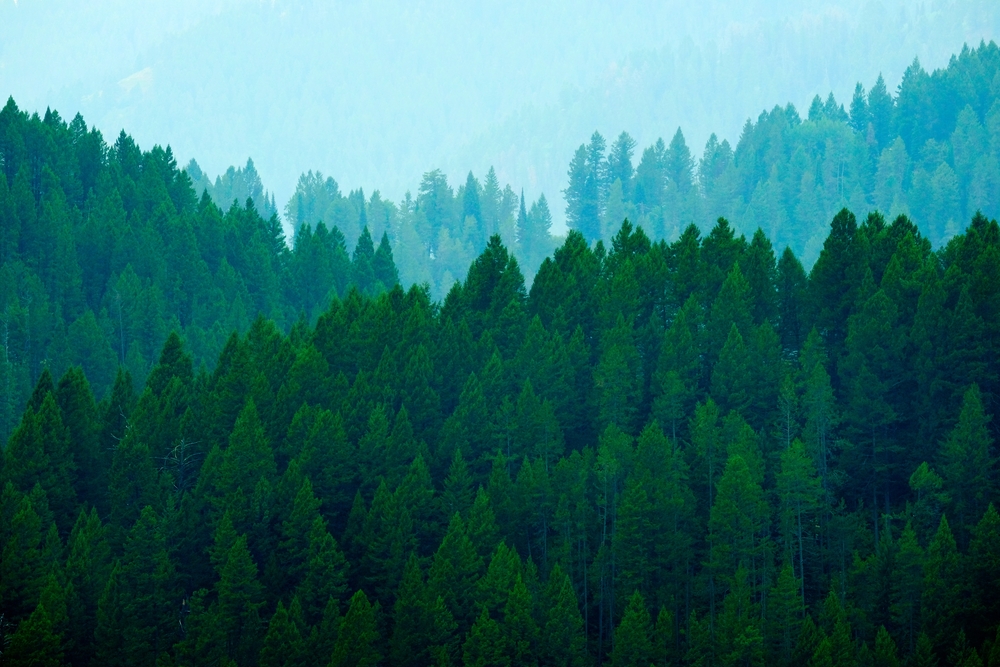
Forests are a vital part of the planet’s ecosystem, providing countless benefits. They also help reduce global warming by absorbing carbon dioxide (CO2) and other greenhouse gasses in their leaves and branches. Forests are an important part of the fight against climate change. They provide us with clean air and water, help reduce global warming, and support biodiversity. But they are also threatened by human activities such as deforestation, logging, and forest fires.
Here are four simple ways how forests help reduce global warming:
They store carbon in trees and soil.
The best way to reduce the amount of CO2 in the air is to decrease the amount produced, but we’re not going to stop all industrial activities tomorrow, so we need a short-term solution. Luckily, there are plenty of ways to help reduce global warming, even if you’re living in an area where you can’t ride your bike to work or have solar panels on your roof. The most important thing you can do is plant a tree! Trees provide needed shade and oxygen for humans and help remove carbon dioxide (CO2) from the air and store it in their roots, branches, and trunks.
Fossil fuels are major sources of CO2 emissions, so when forests are cut down or burned down, they release this carbon into the atmosphere. You can put up a fight against global warming by planting trees in your yard. Planting trees also helps lower local temperatures and reduces the amount of water vapor released into the air by plants and soil; these two factors can slow down how quickly heat gets trapped near Earth’s surface.
They reduce air pollution.
Forests are a natural, renewable resource that helps reduce the impact of global warming and lower the greenhouse effect. An estimated one acre of forest absorbs about five tons of carbon dioxide annually from the atmosphere. Forests reduce air pollution by filtering out dust particles and absorbing other harmful gasses, such as carbon monoxide and sulfur dioxide. Forests also reduce the greenhouse effect by providing habitat for wildlife, especially trees that thrive in cooler conditions. These trees absorb heat from the sun and release water vapor into the air, which helps regulate temperature.
They absorb water runoff from rain or snowmelt.
Forests are often thought of as the lungs of the Earth, but they’ve also been called “the water towers of the biosphere.” Rain and snowmelt percolate through the soil, releasing it into streams and rivers. On the other hand, forests release moisture into the air by evapotranspiration—a process by which plants release water vapor through their leaves. This vapor forms a layer of clouds that can block sunlight, cooling things down. In this way, forests can help regulate temperature, moderating temperatures in areas where there aren’t many trees or during times without rain.
Forests Help Slow Down the Process of Erosion
They slow down by creating shade breaks on hillsides that reduce the velocity of water runoff after rainfall events. This helps prevent sediment transport downstream into natural water bodies like rivers and lakes. This is especially important in areas where there is existing mining or clear-cutting because it reduces soil erosion caused by mining activities as well as protecting watersheds from contamination with runoff from mining sites through better management practices such as reforestation and revegetation efforts on mined lands; thus, reducing impacts on downstream water quality.
Despite all the research and studies done over the years linking forest conservation and climate change, the relationship needs to be better understood by the general public. Forests are important because they help reduce global warming and are home to numerous creatures, some of which provide important medicines. It is high time that we start to understand how forests help regulate climate and reduce global warming. While we’re doing all we can to prevent further damage to our planet, we should also be doing everything possible to preserve and restore its remaining forests. When it comes to climate change, trees are our friends.