
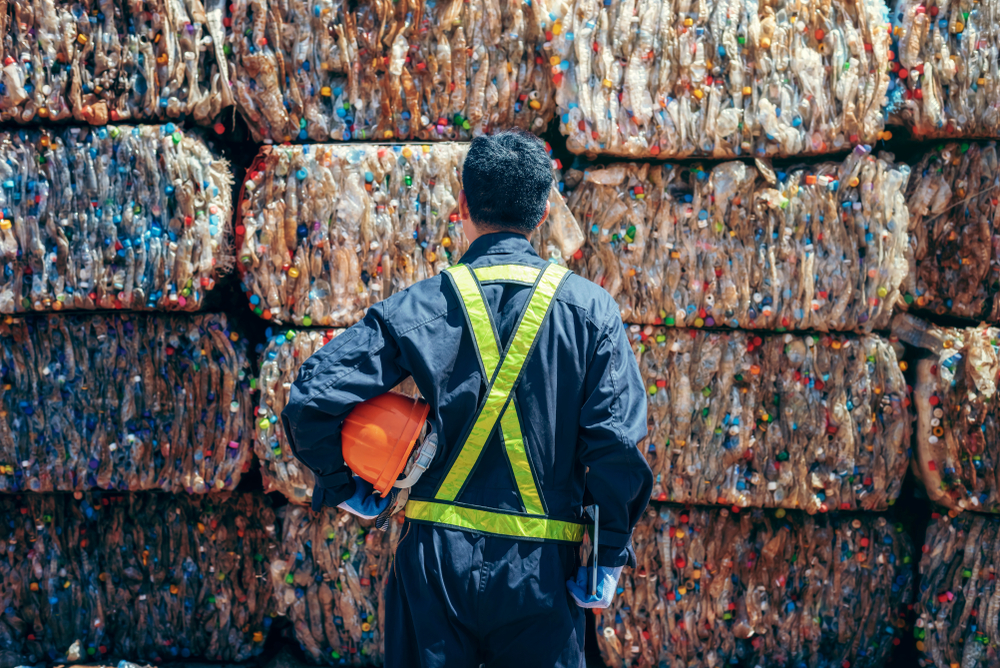
In the early 1990s, plastics became our most widely used material. Nearly every manufactured item we use today is made of plastic, from water bottles and food containers to pens and toothbrushes. The problem with plastic is that it never breaks down. Every year, billions of pounds of plastics are produced, and more than 100 million tons of those end up in a landfill or ocean where they will sit indefinitely–unless they’re incinerated.
For years, waste management companies attempted to recycle plastics with little success. When they tried to melt the plastics and mold them into other shapes, the recycled material was always of inferior quality to new plastic. The overwhelming majority of recycled plastics were down-cycled–saved from a landfill or incinerator only to be turned into an item of lesser value.
Top New Approaches For Recycling Plastics
Only recently, reprocessing plastics was still an achievable goal. However, with the aid of modern technology, dozens of new approaches have emerged that could eventually help to reduce our dependence on crude oil and increase recycling rates.
1 Create New Plastics From The Ground Up
One option is to create new plastics from the ground up. Using simple engineering and material science techniques, researchers have developed polymer architectures that can be manipulated into various novel materials. These processes may be cost-effective enough to compete with other alternatives in the recycling market, such as converting plastics into fuel or building materials.
2 Synthesize New Plastics From Pre-Existing Materials
Another possibility is to synthesize new plastic materials from pre-existing materials. The easiest way would be to engineer the plastic out of petroleum. Still, more unique feedstock materials such as wood or sugarcane may someday prove more attractive handlers of petrochemical inputs. One current focus in this area is using cellulose and starch as alternative raw materials for commercial, academic plastic production. In addition to decreasing reliance on petroleum, these new cellulosic plastics promise improvements in mechanical properties, like stiffness and strength, which could warrant their use in the automotive sector to replace polyurethanes.
3 Catalyze Degradation of Natural Biopolymers
A second option for recycling plastics is to facilitate the degradation of natural biopolymers. Even though natural biopolymers are arable materials, they do not degrade without special enzymes, which are expensive and energy-intensive. One technique focuses on using genetically engineered microbes to produce these special enzymes. Another approach is to create or add these natural catalysts into a synthetic polymer structure.
4 Recycle Metals From Plastics
A third technique is recycling metals from plastics instead of creating new ones. This process can be done by extracting and purifying valuable metal elements from old plastic products such as computers and cell phones. Overall, this method is more expensive than plastic production–but it is also cheaper than recycling, which requires melting the plastic at high temperatures.
5 Engineering Recyclable Plastics
Scientists have also started to engineer recyclable plastics. For example, researchers in Japan have discovered a way to make plastics from milk proteins and other natural materials that can be broken down and reused. These new plastics are biodegradable, non-toxic, and easy to recycle. They are also more robust than conventional plastics.
6 Replace Biopolymers For New Plastics
The last option is to replace the biopolymers we currently use in plastics with other materials. Because most of our plastics are made of biopolymers bought from natural sources, our source materials are getting closer to being exhausted. Therefore, manufacturers need to look for other sources and develop new kinds of plastic to continue producing them.
Conclusion
Plastic recycling is environmentally advantageous. It conserves energy, reduces greenhouse gases, and helps to reduce the production of landfills and the emissions produced by incineration plants. Additionally, plastics can be recycled countless times to create new products. However, not all plastic is recyclable, which can be a downfall of plastic recycling.
Sustainable Plastics aims to increase the use of recycled plastics to be introduced as a viable, durable, and sustainable alternative to crude oil and other fossil fuels. By implementing the most efficient and innovative recycling technologies, we can reduce the amount of plastic that ends up in our oceans and landfills. This will help save our environment and conserve resources while creating new jobs worldwide.