
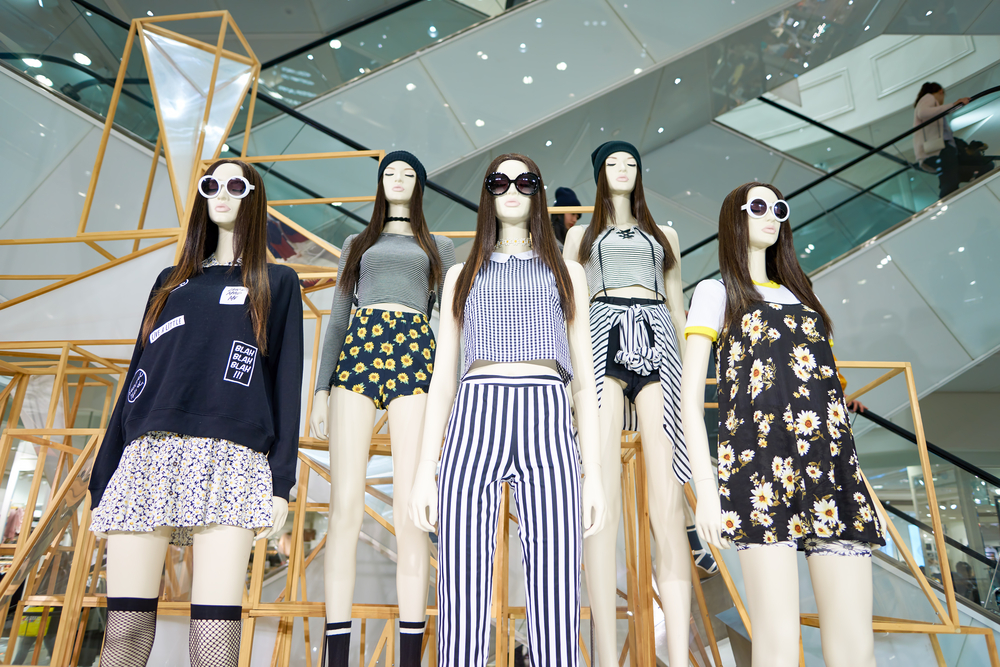
Clothes and the source we purchase them from have always been relevant to class and status. These days it seems that there is a change in how people prefer to dress. Today’s modern fashionistas seems more concerned with personal style over brands.
As Millennials strive to stay trendy, they have inspired the fashion industry in new ways. This is where the fast fashion of “boho chic” originated from in the mid-2000s. Come 2006, your average person was buying 1/3 more clothes than they were four years earlier. This caused competition among various brands, encouraging more collections each year, season or even week to stay on the pulse of consumer demand by cheaply mass-producing low-tier apparel.
This is what fast fashion is: affordable clothing that reflects the hot runway trends. Fast fashion caters to the young who want to appear stylish and trendy without going broke.
How fast is Fast Fashion?
Fashion cycles have greatly sped up. Where the fashion seasons used to be broken up into summer/spring and a fall/winter they now cycle out to 11+ times a year or 52 weekly “micro-seasons.” The goal? Encourage spending on every garment as soon as possible to stay relevant. However, trends are fluid and fast fashion means new styles can die off after only weeks.
Spain’s Zara is considered the originator of fast fashion. Zara produces 30,000 units each year, delivering to 1,600 stores across 58 countries twice a week. This had the result of improving availability and increasingly customer visits. Forever 21 and H&M receive new styles on a daily basis, Topshop offers 400 new styles a week online and Renner releases a new collection every other month.
Growth
Fast fashion retailers are growing. The latest figures indicate a .7% growth per annum since 2011,swifter than an expected 6.8% from traditional clothiers. A 2014 report indicated most households spend around $1,786 on clothing and similar services.
Even luxury brands are courting fast fashion, offering same-day service to various capital cities and vacation spots. Farfetch.com recently said that its new delivery service will deliver and return products to a Gucci store within just 90 minutes, provided the customer is in one of 10 major world cities. Matchesfashion.com is a London-based retailer who also offers 0-minute delivery to London residents.
Drawbacks
More choices means more purchases. More purchases means more waste. Fast fashion is cheaper, poorer and the products quickly become outdated, meaning that customers are more willing to dispose of them. Fast fashion means disposable fashion which negatively affects the planet and economy.
Cheap, synthetic,, petroleum-based fabrics like acrylic and polyester can hurt the environment and even growing cotton uses a lot of water and pesticide. Decomposing fabrics produce methane, a chief contributor to global warming. Even exhaust fumes increase as a result of more frequent shopping trips.
Labor impact
Reports indicate factory workers work longer hours to compete, roughly 20-60 of garment production is done at home by unskilled laborers in poor countries as a corporate cost-cutting measure.
You have sub-optimal conditions for the planet and laborers in exchange for attire that quickly falls out of favor. Developed nations just shuffle this issue around by donating the clothes to developing nations. Though Asia’s economy and ease of fashion acquisition means secondhand clothing exportation may die off.
Fast fashion also influences the sorting companies that export secondhand attire. These companies focus on selling reusable used clothes and shred whatever is too low quality. When fast fashion garments begin as low quality, it stands to reason that few such items avoid the shredder.
On the other hand, some retailers are pushing for consumers to recycle. H&M lets customers bring unwanted clothes to their stores for textile recycling into new product. Patagonia resells and recycles used products within its stores.
Patronizing fast fashion is less a high status concern and more a choice. You can buy one-two quality garments or five trendy and disposable ones.